
密度勾配溶液
OptiMATE Cesium Chloride & Iodixanol
OptiMATE Cesium Chloride & Iodixanolは、現行のcGMP基準でのAAVベクターやEVsの精製工程でもご使用頂けるように、滅菌済みでかつ、エンドトキシン混入レベルが低い(≤1 EU/mL)高品質な密度勾配溶液です。液体試薬として提供されますので、試薬粉末を秤量ならびに溶解する調製作業が不要です。OptiMATE Cesium Chloride(CsCl:塩化セシウム)とOptiMATE Iodixanol(IDX:イオジキサノール)の2種類をご提供しています。
密度勾配遠心法は、密度勾配形成試薬によって形成させた密度勾配と、分子の浮遊密度または沈降係数の分離指標に基づいた分離手法で、生化学ならびに分子生物学などの分野でよく使用されています。


密度勾配溶液 OptiMATE Cesium Chloride & Iodixanolのお見積り
アプリケーション

生体分子の分離
細胞破砕液(ホモジネート)からDNA、RNA、タンパク質などの生体分子を分離

ウイルスの精製
ウイルスやウイルスベクターをキャプシドのタイプ別(中空、中間体、完全体、過充填体)に精製

細胞内小器官の単離
核、ミトコンドリア、リソソーム、生体膜などの細胞小器官の単離

細胞分画
不均一な細胞集団に含まれる個々の細胞ポピュレーション解析をするための細胞分画
| 速度ゾーン遠心法 | 等密度遠心法 | 平衡密度勾配遠心法 | |
|---|---|---|---|
| 分離原理 | あらかじめ形成した連続的な密度勾配中で物質の沈降係数(サイズや質量を勘案した値)を指標として分離 | 試薬による自動的に連続的な密度勾配形成により物質を浮遊密度に基づき分離 | あらかじめ形成した不連続な密度勾配中で物質の浮遊密度によって分離 |
| 一般的な勾配 | 連続勾配(例:スクロース連続勾配) | 連続勾配(例:CsCl 勾配) | 分子の浮遊密度に応じた個別の層に分離 |
| 一般的に使用される勾配作製材料 | イオジキサノール、スクロース | CsCl、イオジキサノール | イオジキサノール(EV並びにウイルス分離時によく使用される)、スクロース |
| 利点 | 近い沈降係数の分子を沈降速度に基づき、高い分離能で分離 | 密度による最も高い分離能での分離が可能 | 密度差を利用した精製と濃縮をワンステップで可能 |
 |
 |
 |


Related Products
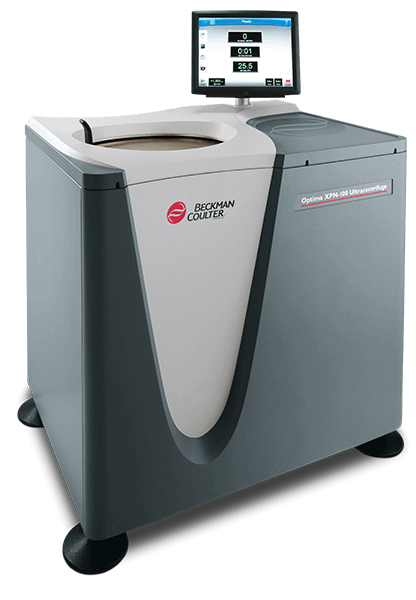
Optima XPN-100
Discover the Optima XPN-100 ultracentrifuge—engineered for advanced performance, user-friendly controls, and enhanced productivity. Explore specs & details.
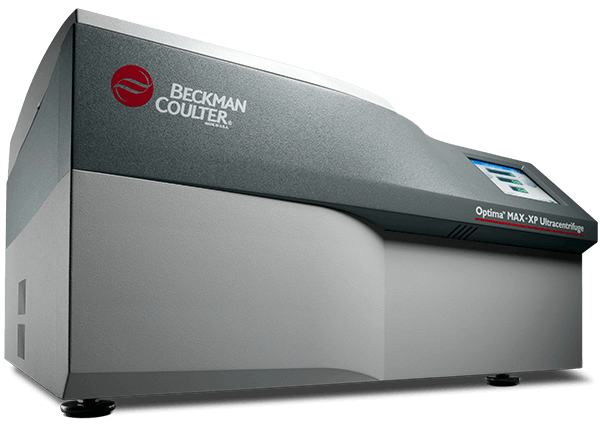
卓上型超遠心機Optima MAX-XP
卓上型超遠心機Optima MAX-XPは、運転音が同種の遠心機の半分という静音設計で、最高回転数150,000 RPM (毎秒2,500 revolutions)でも運転音はほとんど気になりません。また、フルカラーのタッチスクリーンは見やすく、ラボ内、あるいは建物のどこからでも、遠隔でモニタリングとコントロールが可能です。小型ながら非常に多くの機能が搭載された遠心機であり、作業効率が向上します。

垂直ロータ VTi 50.1
超遠心機Optimaシリーズ専用の垂直ロータVTi 50.1は、高速で密度勾配遠心できるため、作業時間の短縮と効率化を実現します。垂直ロータは沈降経路長が短いため、短時間で高い分解能での分取が可能であると同時に、ロータの耐久性が高いため、速度を落とさずに、より高い密度勾配遠心によるアプリケーションに使用できます。


技術資料
密度勾配溶液に関するFAQ
OptiMATE Cesium ChlorideとOptiMATE Iodixanolはどのように使い分ければよいですか?
密度勾配溶液OptiMATE Cesium Chloride & Iodixanolは柔軟性が高く、さまざまなサンプルの精製において不連続密度勾配および連続密度勾配のいずれの作製にも使用できます。
塩化セシウム(CsCl)
- 吸湿性の高いイオン性塩です。
- 低粘度の密度勾配溶液を調製できます。
- ウイルスや核酸の精製によく使用されます。
イオジキサノール(Iodixanol)
- 非イオン性で高粘度の物質です。
- 細胞や細胞外小胞(EV)など、脂質膜を有する粒子に対して比較的穏やかな条件で分離・精製できます。
密度勾配溶液OptiMATE CsCl/IDXはどのように保管すればよいですか?
密度勾配溶液OptiMATE CsCl/IDXは高濃度製剤のため、室温(20 °C)で保管してください。
密度勾配溶液はどのように廃棄すればよいですか?
密度勾配溶液OptiMATE CsCl/IDXは排水口へ流さないでください。塩化セシウム溶液およびイオジキサノール溶液は、お客様の組織の廃棄物処理計画に従い、認可を受けた有害廃棄物処理施設で処分してください。
密度勾配溶液の使用期限はどのくらいですか?
密度勾配溶液の使用期限は、製造日から18か月です。
