
遠心機・超遠心機用ロータ一覧
ベックマン・コールター ライフサイエンスは、超遠心分析法、卓上型遠心機、分取用遠心機、高速遠心機、および超遠心機向けの遠心機用ロータについて、業界でも有数の幅広い製品ポートフォリオを提供しています。
迅速なペレット化、密度勾配遠心法、大容量サンプル処理、高分解能の分析研究などの用途に応じて、ベックマン・コールターのロータは信頼性の高い性能、安全性、そして再現性の高い結果を実現できるよう設計されています。
遠心機・超遠心機用ロータの種類
最適な分離性能、処理能力、およびサンプル回収率を実現するためには、用途に適した遠心機用ロータの選択が重要です。さまざまなロータ設計が、迅速なペレット化や密度勾配遠心分離から、大容量サンプル処理、超遠心分析法まで、それぞれの用途に合わせて設計されています。
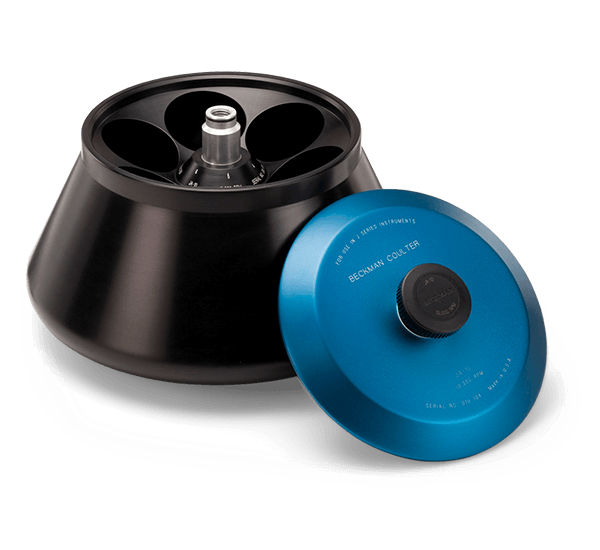
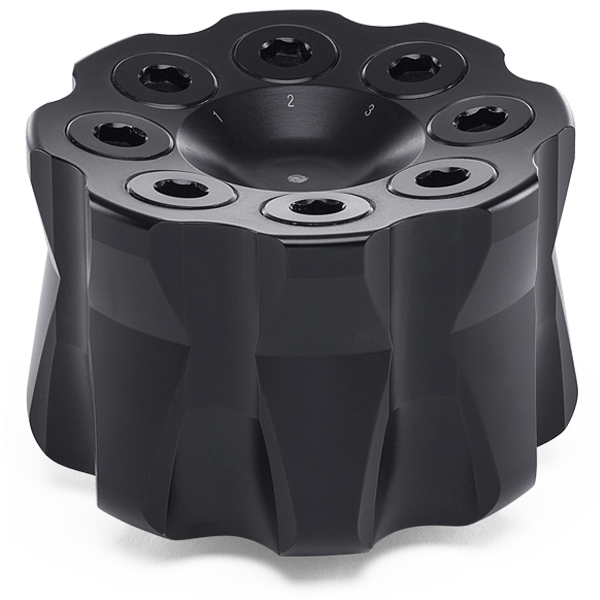
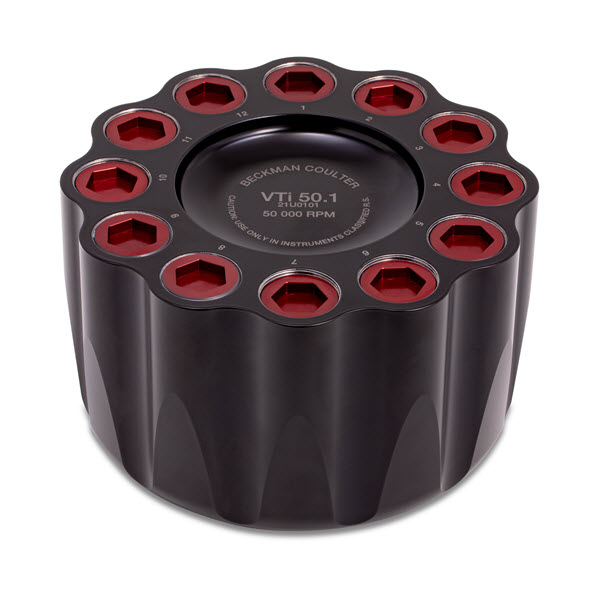
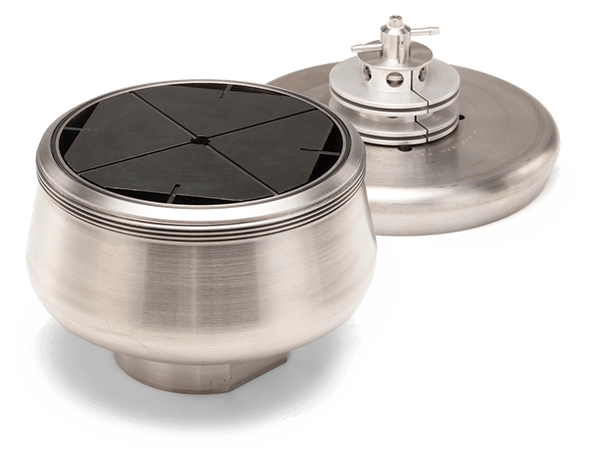
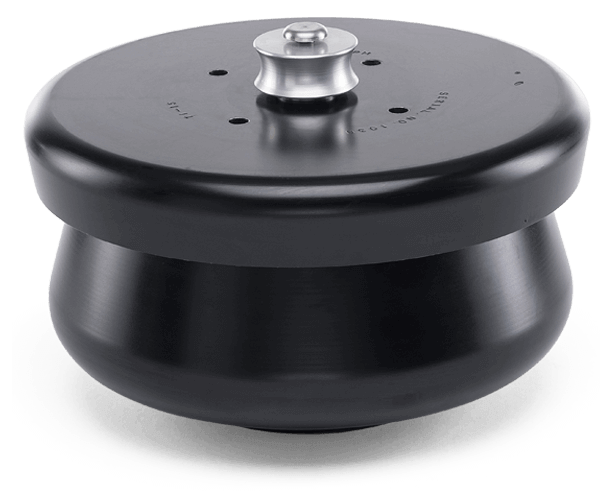
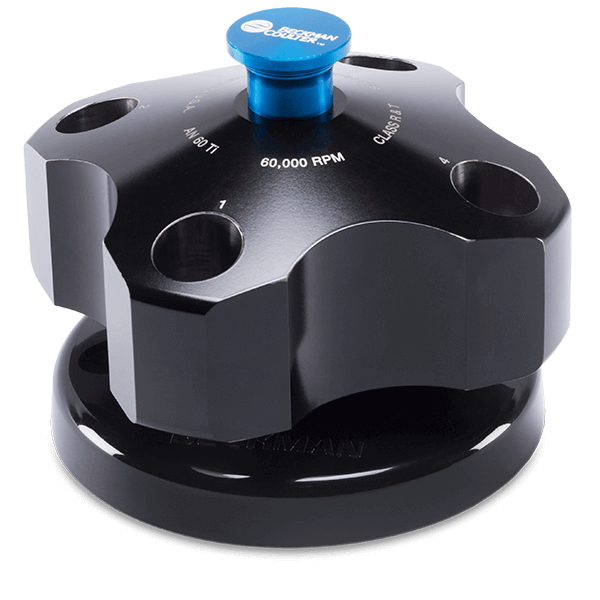
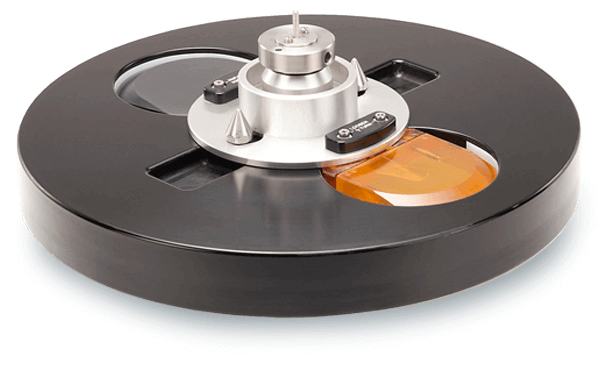
ベックマン・コールター ライフサイエンスでは、研究、バイオプロセス、臨床検査、製薬分野の幅広いワークフローをサポートするため、固定角ロータ、スウィングロータ、垂直ロータ、近垂直ロータ、連続遠心ロータ、ゾーナルロータ、分析用超遠心機用ロータ、エルトリエーションロータといった遠心機・超遠心機用ロータをラインアップしています。
Rotor Calculator


遠心機・超遠心機用ロータに関するFAQ
固定角ロータとスウィングロータの違いは何ですか?
固定角ロータはチューブを一定の角度で保持するため、サンプルの迅速にペレット化に広く使用されます。一方、スウィングロータは遠心中にチューブが水平位置まで振れるため、密度勾配遠心法、サンプルの層形成、および高分解能な分画に適しています。
連続遠心ロータはどのような用途に使用されますか?
連続遠心ロータは、遠心機を何度も停止することなく大量のサンプルを処理できるよう設計されています。研究およびバイオプロセス分野において、細胞、ウイルス、オルガネラ、生物学的産物の回収によく使用されます。
どのようにして私のアプリケーションに適した遠心機用ロータを選べばよいですか?
遠心機用ロータの選定では、サンプル量、粒子サイズ、必要な処理能力、遠心分離法、および求める分離結果などを考慮する必要があります。固定角ロータはペレット化によく使用される一方で、スウィングロータ、垂直ロータ、連続フローロータは、特殊な分離用途や大容量サンプル処理ワークフローに適しています。
主な遠心機・超遠心機用ロータの種類を教えてください。
主な遠心機用ロータには、以下の種類があります。
- 固定角ロータ
- スウィングロータ
- 垂直ロータ
- 近垂直ロータ
- ゾーナルロータ
- 連続遠心ロータ
- 分析用超遠心機用ロータ
- エルトリエーションロータ
それぞれのロータは、特定の分離法、サンプル量、および性能要件に合わせて最適化されています。
遠心分離において垂直ロータはどのような場合に使用されますか?
垂直ロータは、主に超遠心機を用いた等密度超遠心分離法や密度勾配超遠心分離法に使用されます。このロータでは粒子の移動距離が短くなるため、効率的な分離性能を維持しながら遠心時間の短縮に貢献します。
