
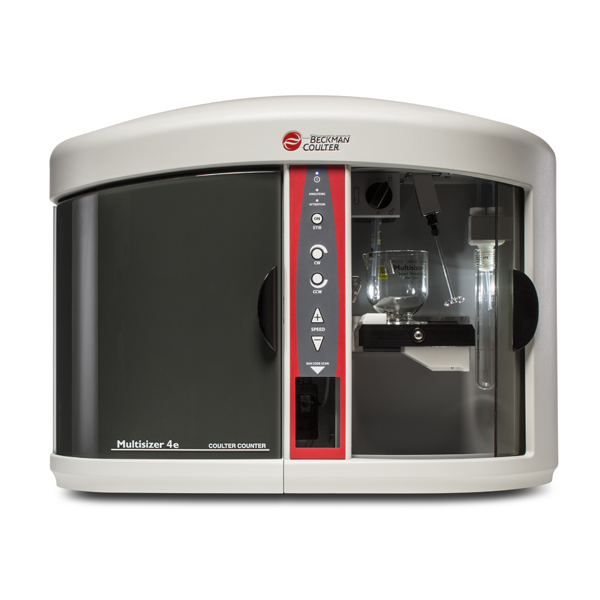
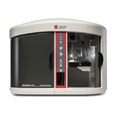
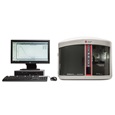
Multisizer 4e
粒子や細胞の個数、体積、面積粒度分布の測定に
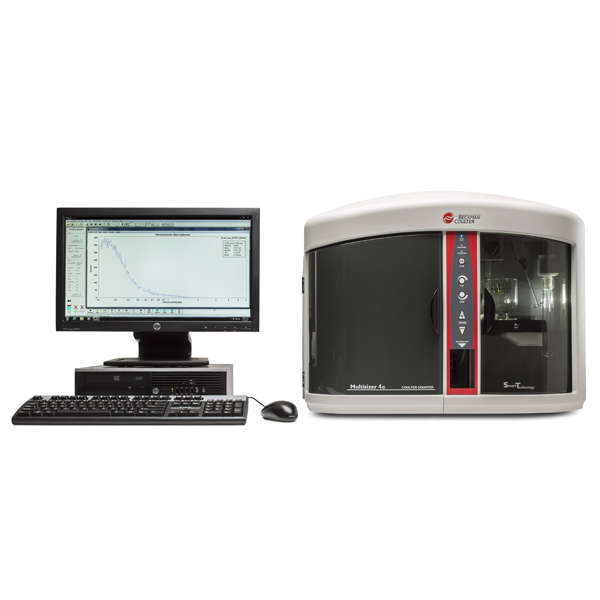
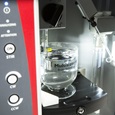
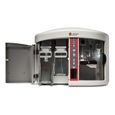
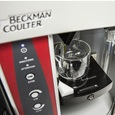
Multisizer 4eは、電気的検知帯法として知られるコールター原理を用いて、一回の計測で粒子や細胞の個数、体積、面積の粒子・細胞径分布を 0.2~1,600 μm の範囲で測定ができる高精度で多機能な粒子分布測定装置です。粒子・細胞を実測するため、色、形状、組成、屈折率などの影響を一切受けず、様々な粒子・細胞の個数、体積、面積粒度分布の測定が可能です。
測定対象例:
|
|
|



特長
多様性
- 現行および将来のニーズに対応した直径10 µmから14種類の異なるサイズのアパチャーチューブをご用意
- 粒径分布が広範囲にわたる複雑なサンプルを分析するための、複数のアパチャー・オプションとデータ・オーバーレイ機能
サンプルの検出
- 水性または非水溶媒中の試料の分析
- 種類や光学特性とは無関係に微粒子を検出
- 幅広いサンプルの測定が可能
- ライフサイエンス研究領域でのサンプル例:
細菌・真菌・酵母菌類、シアノバクテリア・プランクトン類、CAR-Tなどの細胞治療用の細胞評価、再生医療用の三次元培養細胞(スフェロイド)の品質評価 - 工業分野領域でのサンプル例:
トナー、研磨剤(CMPスラリー)、半導体材料、電池材料、ファインバブル
- ライフサイエンス研究領域でのサンプル例:
迅速な粒子計測
- 標準的なサンプリング速度:最大10,000カウント/秒
- 粒子径分布測定範囲:0.2 ~1,600 µm
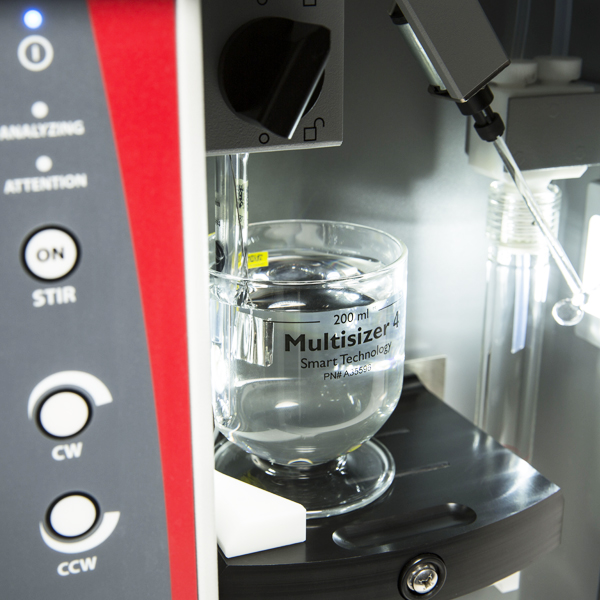
- 溶媒使用量:4~500 mL
データ管理
- デジタルパルスデータは必要に応じて保存・再解析が可能
- 監査セキュリティ対応可能なCFR 21 Part 11準拠のソフトウェア
製品モデル
技術資料
精密粒度分布測定装置 Multisizer 4eに関するよくあるご質問
粒子解析におけるコールター原理とは何ですか?
コールター原理は、電気抵抗に基づいて粒子径と粒子数を解析する、幅広く使用されている方法です。電解質溶液中に粒子を懸濁し、電流を流した状態で小さなアパチャーに粒子を1個ずつ通過させます。
粒子がアパチャーを通過すると、粒子自体の体積に相当する電解液が置換され、電気インピーダンスが瞬間的に変化します。この変化は粒子の体積に直接比例するため、粒子径と濃度を精密に測定できます。
コールター原理は、正確で再現性の高い個数基準の粒子測定が可能なため、粒子の特性評価、細胞計数(血球など)、医薬品、バイオテクノロジー、および工業分野の品質管理で広く使用されています。
粒度分布を測定するには、どのような方法が適していますか?
粒度分布を測定する信頼性の高い方法として、コールター原理としても知られる電気的検知帯法(ESZ:Electrical Sensing Zone法)があります。この方法では、粒子が小さなアパチャーを通過する際に1個ずつ測定し、広い粒径範囲で高分解能の個数基準粒度分布を取得できます。
Multisizer 4eは、この技術を用いて、医薬品、バイオテクノロジー、工業材料、および研究用途における正確で再現性の高い粒径測定と粒子計数を実現します。Multisizer 4eは、精密な管理、トレーサビリティ、および粒子1個ごとの実測が求められる場合に特に有効であり、粒子の特性評価におけるゴールドスタンダードです。
細胞計数におけるコールターカウンターとフローサイトメトリーの違いは何ですか?
コールターカウンターは、各細胞が小さなアパチャーを通過する際の電気インピーダンスの変化を測定し、コールター原理(電気的検知帯法)を用いて細胞数と細胞径を測定します。細胞の色、形状、光学特性に左右されず、標識を使用せずに正確な総細胞数と実細胞体積を測定できます。
一方、フローサイトメトリーでは、細胞がレーザー光を通過する際の散乱光と蛍光を利用して細胞を計数します。表面マーカー、生存率、表現型などの多項目生物学的解析が可能ですが、一般に蛍光標識が必要であり、光学条件や染色のばらつきの影響を受けやすい方法です。
形状や色に左右されずに粒子を計数するには、どうすればよいですか?
形状、色、光学特性に左右されずに粒子を計数する効果的な方法は、コールター原理としても知られる電気的検知帯法を使用することです。この方法では、導電性液体で満たされた小さなアパチャーを各粒子が通過する際の電気インピーダンスの変化を測定し、粒子を1個ずつ計数します。
信号は光散乱やイメージングではなく粒子体積に基づくため、電気的検知帯法では、粒子の形状、透明度、屈折率、色に左右されず、標識を使用せずに正確な粒子計数が可能です。このため、バイオテクノロジー、医薬品、工業材料、および品質管理における不均一なサンプルの測定に適しています。
Multisizer 4eは、この技術を用いて、広い粒径範囲で精密かつ再現性の高い粒子数と粒度分布を測定します。
