
遠心機(遠心分離機)&関連機器
1947年以来、信頼性と高品質で世界的に評価されてきた卓上型遠心機、高速冷却遠心機、超遠心機、分析用超遠心機のリーディングカンパニー
主なアプリケーション
- 細胞回収および細胞培養プロセス
- タンパク質精製および特性解析
- 血液および臨床検体の前処理
- ウイルスベクターの精製
- 細胞外小胞およびエクソソームの単離
- 密度勾配分離
- 分子生物学ワークフロー
- バイオ医薬品の研究および製造
遠心機は、粒子、細胞、タンパク質、核酸、ウイルス、その他の生体材料を、サイズ、密度、質量の違いに基づいて分離するために使用される重要な研究機器です。日常的なサンプル前処理から最先端のバイオ医薬品研究まで、遠心分離法はワークフローの効率化と信頼性の高い研究成果の創出に重要な役割を果たします。
ベックマン・コールター ライフサイエンスは、遠心分離技術のグローバルリーダーとして、遠心機、超遠心機、分析用超遠心機、ロータ、チューブなどの消耗品、ソフトウェア、およびワークフローソリューションを網羅した包括的な製品ポートフォリオを提供しています。これらのシステムは、細胞培養、分子生物学、ウイルス学、遺伝子治療、タンパク質特性解析、バイオプロセシングなど、幅広いアプリケーションに対応しています。
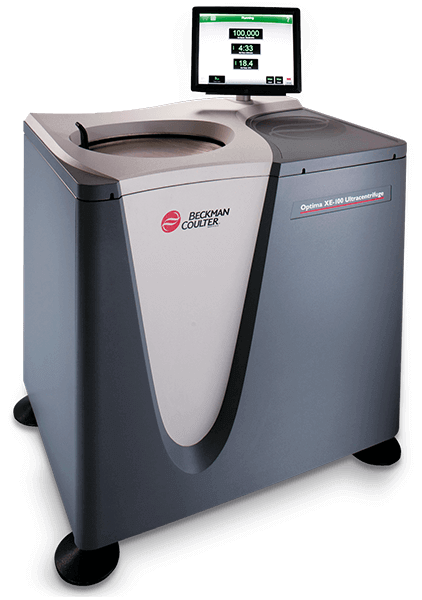
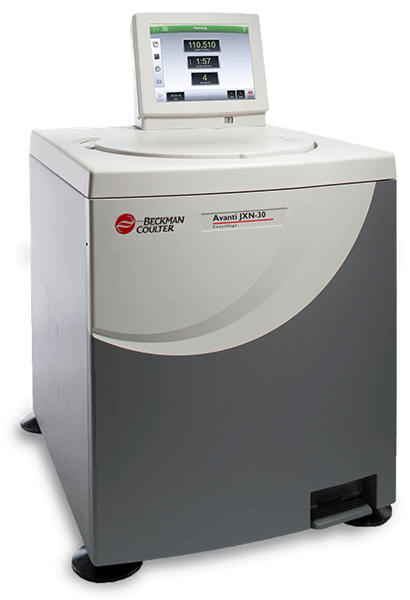
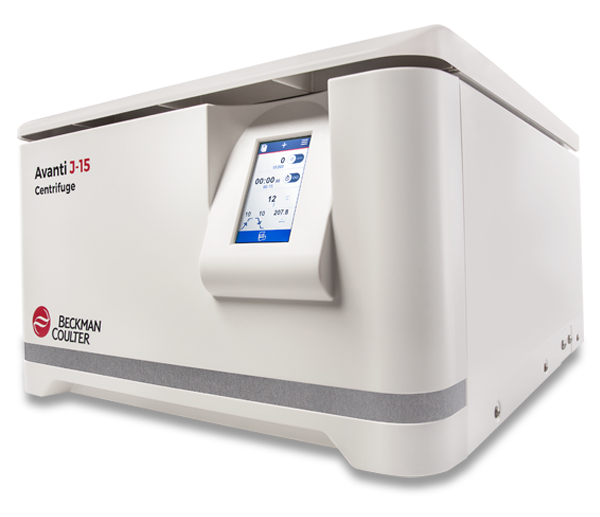
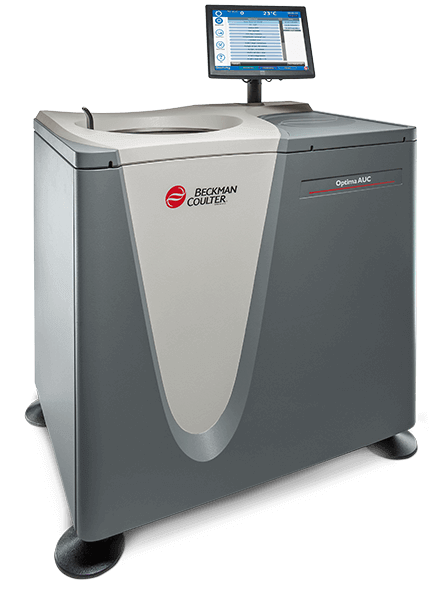
コンパクトな卓上型遠心機から、高性能な高速冷却遠心機、さらには高度な超遠心分離プラットフォームまで、ベックマン・コールターは効率性、再現性、そしてラボの生産性向上に貢献するスケーラブルなソリューションを提供します。


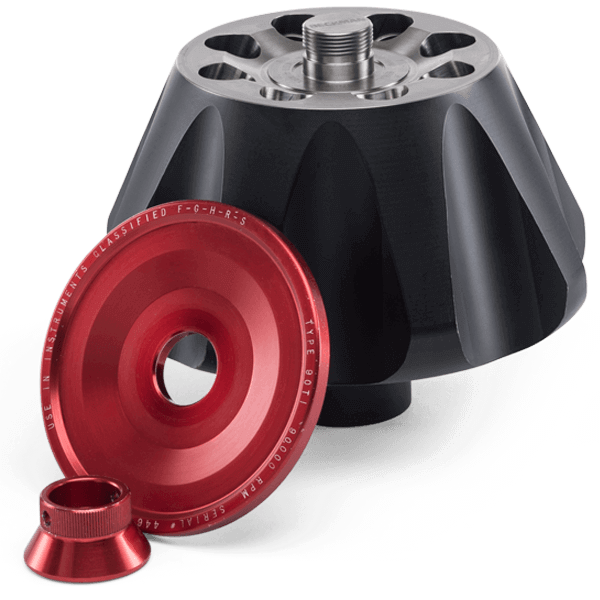
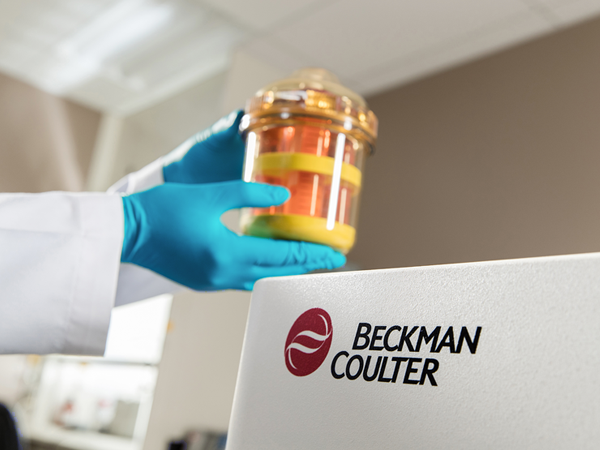
遠心機(遠心分離機)&関連機器に関するFAQ
ライフサイエンス研究において、遠心機はどのような用途に使用されますか?
遠心機は、細胞回収、タンパク質精製、核酸調製、血液処理、ウイルスベクター精製、エクソソーム単離、密度勾配分離、バイオ医薬品開発など、ライフサイエンス研究のさまざまな工程で使用されています。
研究室用遠心機にはどのような種類がありますか?
研究室用遠心機には、用途に応じてさまざまなタイプがあります。
- 卓上型遠心機:日常的なサンプル前処理向け
- 高速冷却遠心機:高分子生体分子の分離や細胞回収向け
- 超遠心機:ウイルスやナノ粒子の分離向け
- 分析用超遠心機:高分子の特性解析向け
- 連続遠心機といった特殊用途機種
最適な遠心機は、サンプル量、分離条件、必要な回転速度、およびワークフロー要件によって異なります。
自分のアプリケーションに最適な遠心機・超遠心機はどれですか?
最適な遠心機は、サンプルの種類、処理能力、分離目的、および必要な回転速度によって異なります。卓上型遠心機は、核酸・タンパク質ワークフロー、細胞分離、マルチウェルプレート処理などの日常的な研究用途に幅広く使用されています。高速冷却遠心機は、大容量サンプルの分離や細胞回収に適しています。超遠心機は、ウイルス、細胞外小胞、ナノ粒子などの微小粒子を高分解能で精製する用途に設計されています。
研究室用遠心機を選ぶ際に考慮すべきポイントは何ですか?
遠心機の選定にあたっては、以下の点を評価することが重要です。
- サンプル容量
- ロータの適合性
- 最大回転速度(RPM)
- 相対遠心力(RCF)
- 温度制御要件
- バイオセーフティ要件
- 将来的な拡張性
適切な遠心機を選択することで、ワークフロー効率、サンプル品質、再現性の向上につながります。
